The Shift to EC and BLDC Technology in Industry: A 2026 Perspective
EA
Introduction to EC and BLDC Technology
As we move into 2026, industries worldwide are increasingly adopting EC (Electronically Commutated) and BLDC (Brushless DC) technologies. These advancements promise to revolutionize efficiency, sustainability, and performance across various sectors. Understanding these technologies and their implications is crucial for businesses looking to stay competitive.
Understanding EC and BLDC Motors
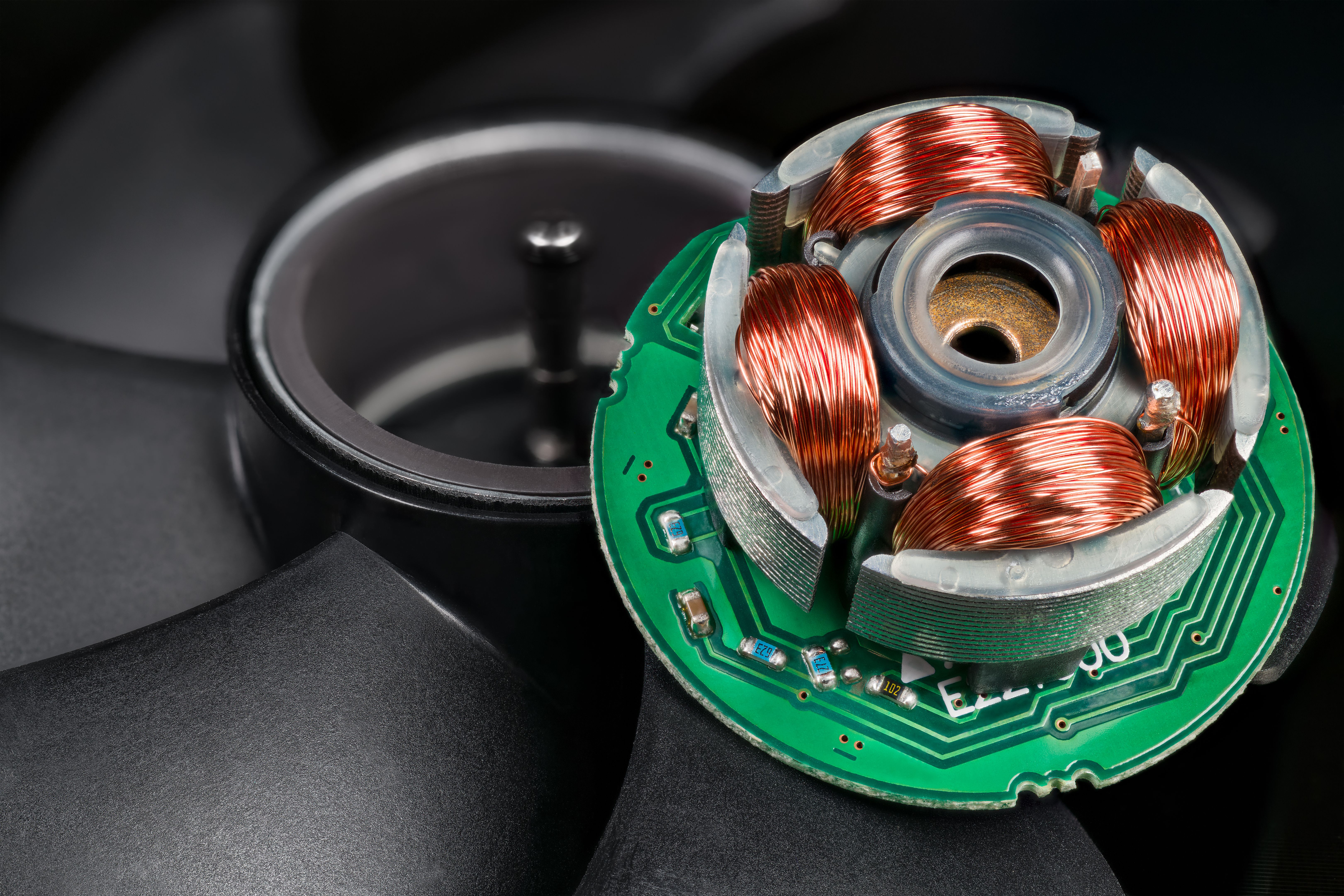
EC motors, also known as brushless motors, combine AC and DC voltages, offering the best of both worlds. They are equipped with integrated electronics, allowing for more precise control and higher efficiency. BLDC motors, on the other hand, are a type of synchronous motor powered by direct current through an inverter or switching power supply.
Both technologies eliminate the need for brushes, a component in traditional motors that often requires maintenance. This results in reduced wear and tear, longer lifespan, and lower maintenance costs, making them attractive options for industrial applications.
Key Benefits for Industries
The shift to EC and BLDC technology is driven by several compelling benefits:
- Energy Efficiency: These motors consume less energy, reducing operational costs and environmental impact.
- Enhanced Performance: Improved speed control and torque make them suitable for a wide range of applications.
- Reliability: With fewer moving parts, these motors are more reliable and require less maintenance.
Applications Across Industries
EC and BLDC motors are finding applications in various sectors, including automotive, HVAC, and manufacturing. In the automotive industry, for instance, they contribute to the development of electric vehicles, offering lightweight and efficient solutions.
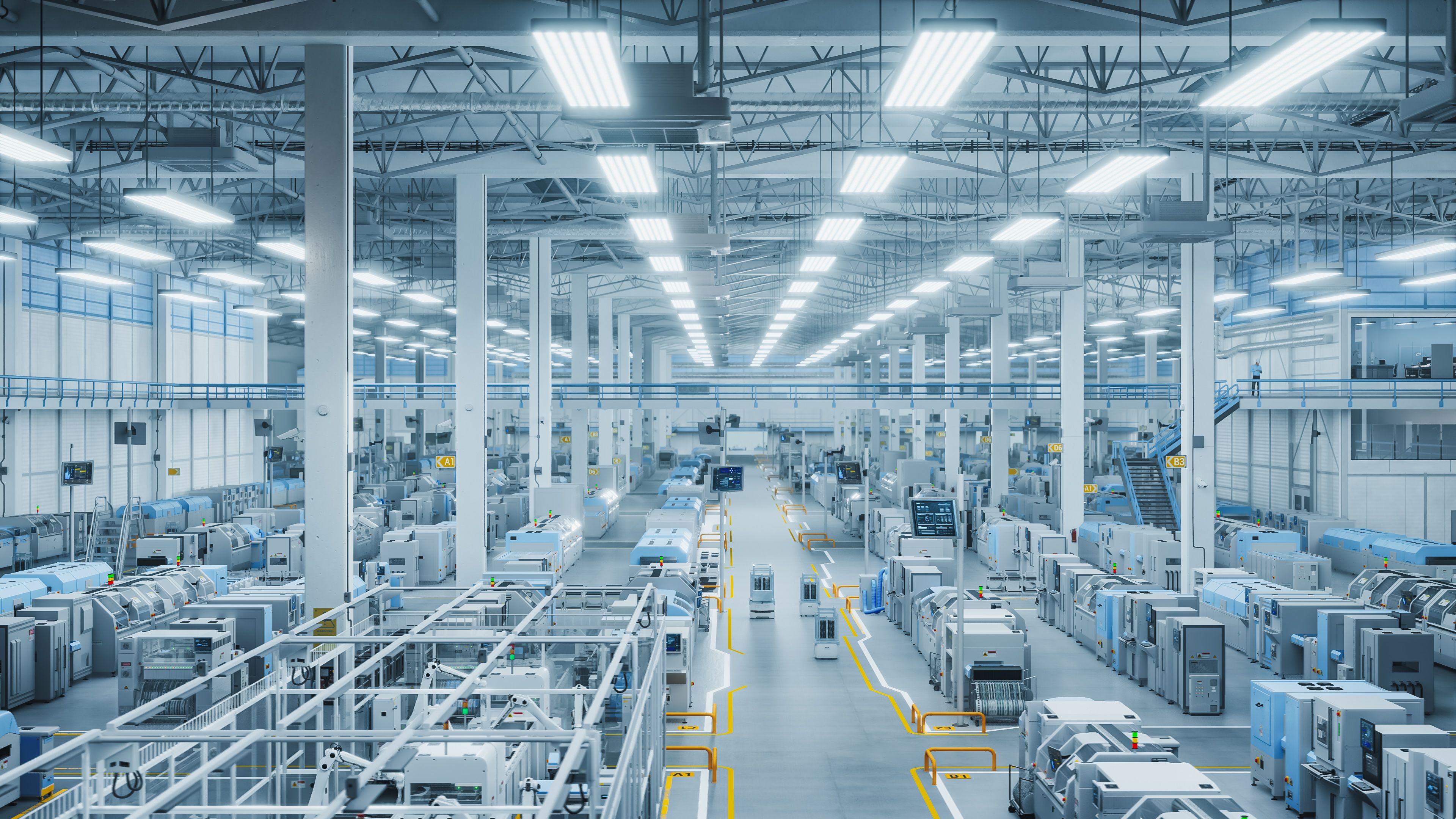
In HVAC systems, these motors enable precise control over airflow, enhancing comfort while reducing energy consumption. Similarly, in manufacturing, they provide consistent performance, crucial for maintaining quality and efficiency in production lines.
Challenges and Considerations
While the benefits are substantial, transitioning to EC and BLDC technology does present challenges. The initial cost of these motors can be higher than traditional ones. However, the long-term savings in energy and maintenance often justify the investment.
Another consideration is the need for skilled personnel to manage and maintain these advanced systems. Training and development are essential to maximize the benefits and ensure smooth integration into existing operations.
The Future of Industrial Technology
Looking ahead, the trend towards EC and BLDC motors is expected to continue. As technology advances, we anticipate further innovations that will enhance their capabilities and applications. Industries that embrace these changes will likely lead the way in efficiency and sustainability.
Staying informed about technological advancements and being willing to adapt is key to thriving in the modern industrial landscape. As we approach the latter half of the decade, EC and BLDC technologies will undoubtedly play a pivotal role in shaping a more efficient and sustainable future.