
The Future of Textile Spinning: Embracing HBJD Brushless Motors
EA
Revolutionizing Textile Spinning with HBJD Brushless Motors
The textile industry has always been at the forefront of technological innovations. As we venture further into the 21st century, one of the most significant advancements in textile spinning is the integration of HBJD brushless motors. These motors promise to enhance efficiency, reduce wear and tear, and ultimately transform the way textile mills operate.
HBJD brushless motors offer a unique blend of power and precision. Unlike traditional motors, they eliminate the need for brushes, resulting in less friction and a longer lifespan. This advancement not only reduces maintenance costs but also minimizes downtime, allowing for uninterrupted production cycles.
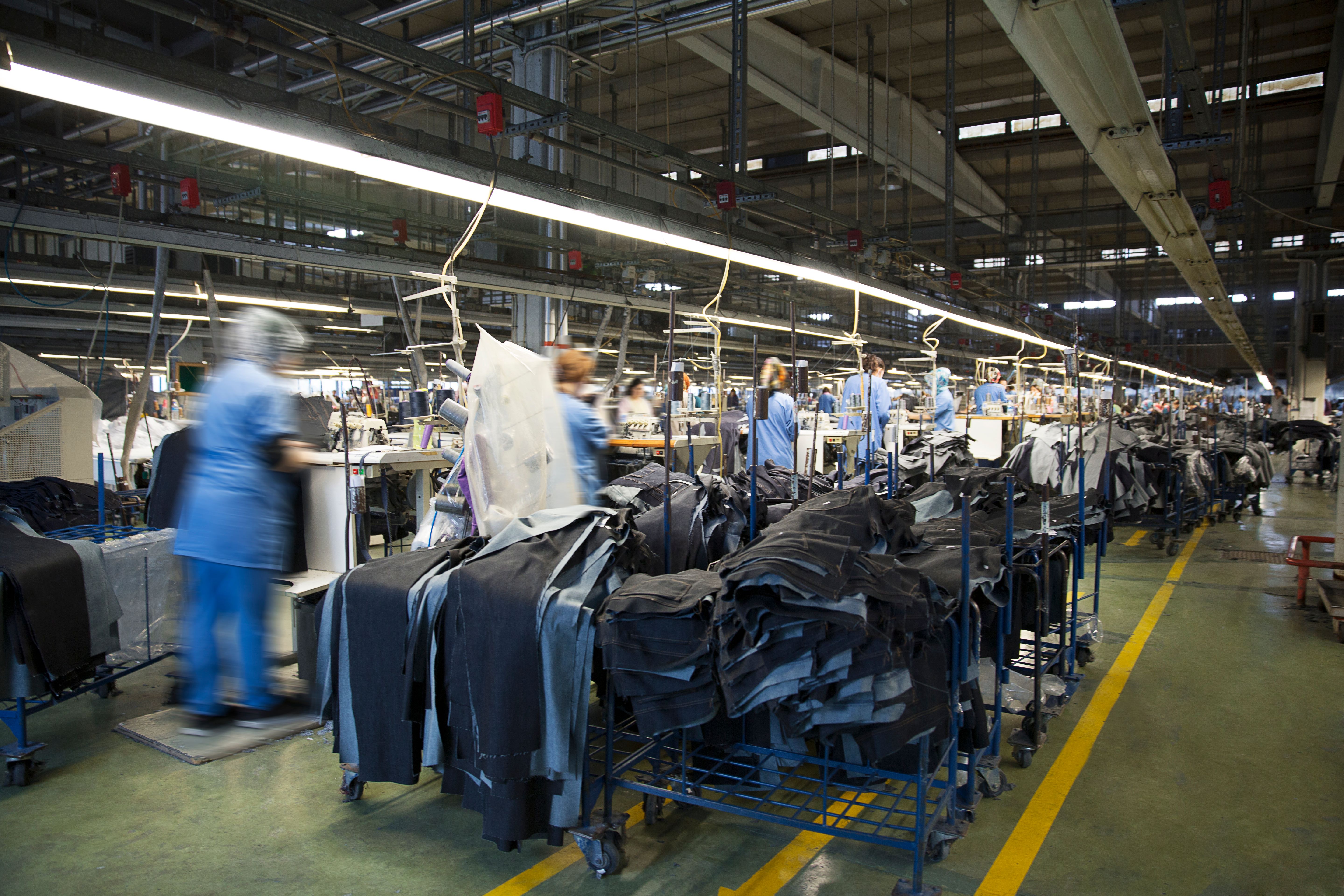
Understanding HBJD Brushless Motors
Brushless motors have been around for decades, but the HBJD variant is specifically designed for high-demand applications like textile spinning. The absence of brushes means these motors operate with significantly less noise and higher efficiency, crucial for maintaining the delicate balance required in spinning operations.
The use of advanced electronics to manage motor functions ensures precise control over speed and torque. This precision is vital for producing high-quality yarns, as even the slightest deviation can affect the final product. With HBJD motors, manufacturers can achieve consistency and quality like never before.

Benefits of Embracing HBJD Technology
- Increased Efficiency: HBJD motors convert more electrical energy into mechanical energy, boosting overall productivity.
- Reduced Maintenance: With fewer moving parts, these motors require less upkeep, leading to long-term savings.
- Environmental Impact: Their energy-efficient design contributes to a smaller carbon footprint.
These benefits are not just theoretical. Early adopters of HBJD technology have reported significant improvements in both output and quality, validating the investment in these advanced motors.

The Road Ahead for Textile Spinning
As more textile manufacturers recognize the potential of HBJD brushless motors, the industry is poised for a major transformation. The integration of smart technology with these motors can lead to further advancements, such as predictive maintenance and real-time performance monitoring.
Additionally, the move towards more sustainable manufacturing practices makes HBJD motors an attractive option for companies aiming to reduce their environmental impact. By consuming less power and reducing waste, these motors align with global sustainability goals.
Challenges and Considerations
Despite the numerous advantages, there are challenges to consider. The initial investment in HBJD brushless motors can be substantial, which may deter smaller operations from making the switch. However, the long-term savings and efficiency gains often outweigh the upfront costs.
Another consideration is the need for skilled technicians who understand the intricacies of these advanced motors. Investing in training and development is crucial to ensure that the workforce can fully leverage the potential of HBJD technology.
In conclusion, the future of textile spinning is bright, with HBJD brushless motors leading the charge towards a more efficient and sustainable industry. As manufacturers continue to embrace this technology, the potential for innovation and improvement is limitless, promising a new era of productivity and quality in textile manufacturing.