
How Modern Motors are Saving Textile Mills 30% on Power Costs
EA
Introduction to ZBM Motors and Energy Efficiency
In today's rapidly evolving industrial landscape, energy efficiency is more crucial than ever. Textile manufacturing, a sector known for its high energy consumption, is feeling the pressure to adopt more sustainable practices. ZBM Motors, a leader in innovative motor technology, has partnered with textile manufacturers to achieve remarkable energy savings.
In this case study, we explore how ZBM Motors helped a leading textile manufacturer reduce its energy consumption by an impressive 30%. This achievement not only lowered operating costs but also contributed to a greener environment.
Challenges in Textile Manufacturing
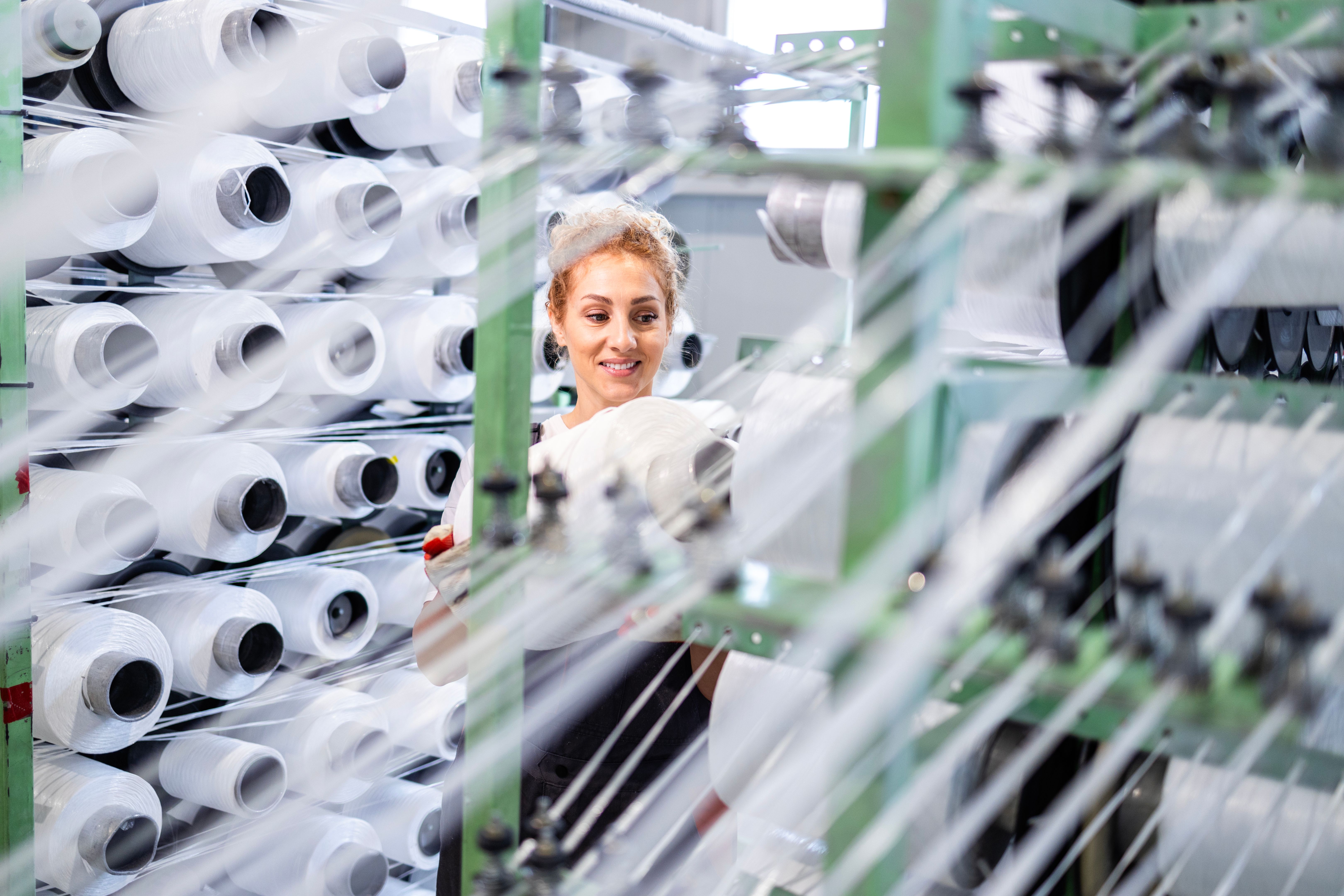
Textile manufacturing is inherently energy-intensive, primarily due to processes such as spinning, weaving, and dyeing. These processes require substantial power, often leading to high operational costs and environmental impact. The challenge for manufacturers lies in maintaining production efficiency while reducing energy consumption.
Traditional motors used in textile machinery often lack the efficiency and advanced technology needed to optimize energy use. As a result, many manufacturers face the dilemma of balancing energy costs with production demands.
Solution: Implementing ZBM Motors
ZBM Motors introduced their high-efficiency motor solutions tailored specifically for the textile industry. These motors are designed to deliver optimal performance while significantly reducing energy usage.
Key features of ZBM Motors include:
- Advanced energy-saving technology that adjusts motor performance based on load requirements.
- Durability and reliability, minimizing downtime and maintenance costs.
- Compatibility with existing textile machinery, allowing for seamless integration.
Implementation Process
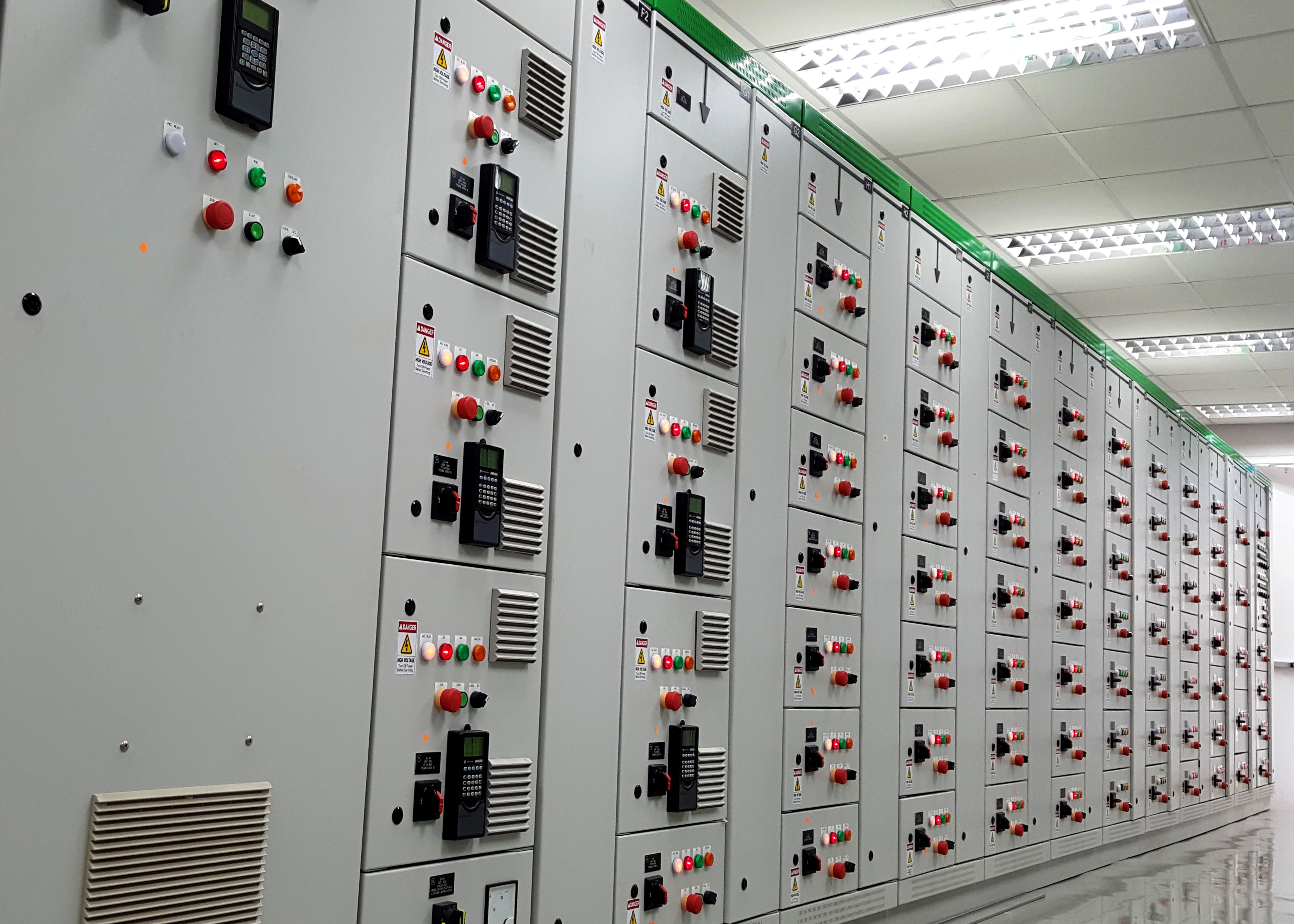
The implementation of ZBM Motors involved a comprehensive assessment of the manufacturer's existing machinery and energy usage patterns. This was followed by a strategic replacement and integration of ZBM's motors into key areas of the production line.
ZBM's team provided extensive training and support to ensure that the manufacturer's staff could effectively operate and maintain the new systems. This collaborative approach ensured a smooth transition and immediate impact on energy reduction.
Results and Impact
The results were transformative. Within just a few months, the textile manufacturer reported a 30% reduction in energy consumption. This significant decrease led to substantial cost savings and a reduction in carbon footprint, aligning with broader sustainability goals.
Beyond energy savings, the manufacturer also experienced enhanced production efficiency and reduced equipment downtime, thanks to the advanced capabilities of ZBM Motors.

Conclusion and Future Outlook
ZBM Motors' collaboration with the textile manufacturer serves as a compelling example of how targeted technological solutions can drive significant improvements in energy efficiency. The success of this case study underscores the importance of innovation in achieving sustainability in energy-intensive industries.
Looking forward, ZBM Motors aims to expand its reach, offering similar energy-saving solutions to other sectors in need of efficient and sustainable practices. As industries continue to evolve, partnerships like this will be crucial in paving the way toward a more sustainable future.