
How High-Speed Spindle Motors Enhance Energy Efficiency in Ring Spinning
EA
Understanding Ring Spinning and Its Energy Demands
Ring spinning is a critical process in the textile industry, known for its versatility and ability to produce high-quality yarn. However, it is also energy-intensive, consuming a substantial amount of power due to the mechanical processes involved. With increasing energy costs and environmental concerns, the industry is seeking ways to improve energy efficiency without compromising on quality or productivity.
The Role of Spindle Motors in Ring Spinning
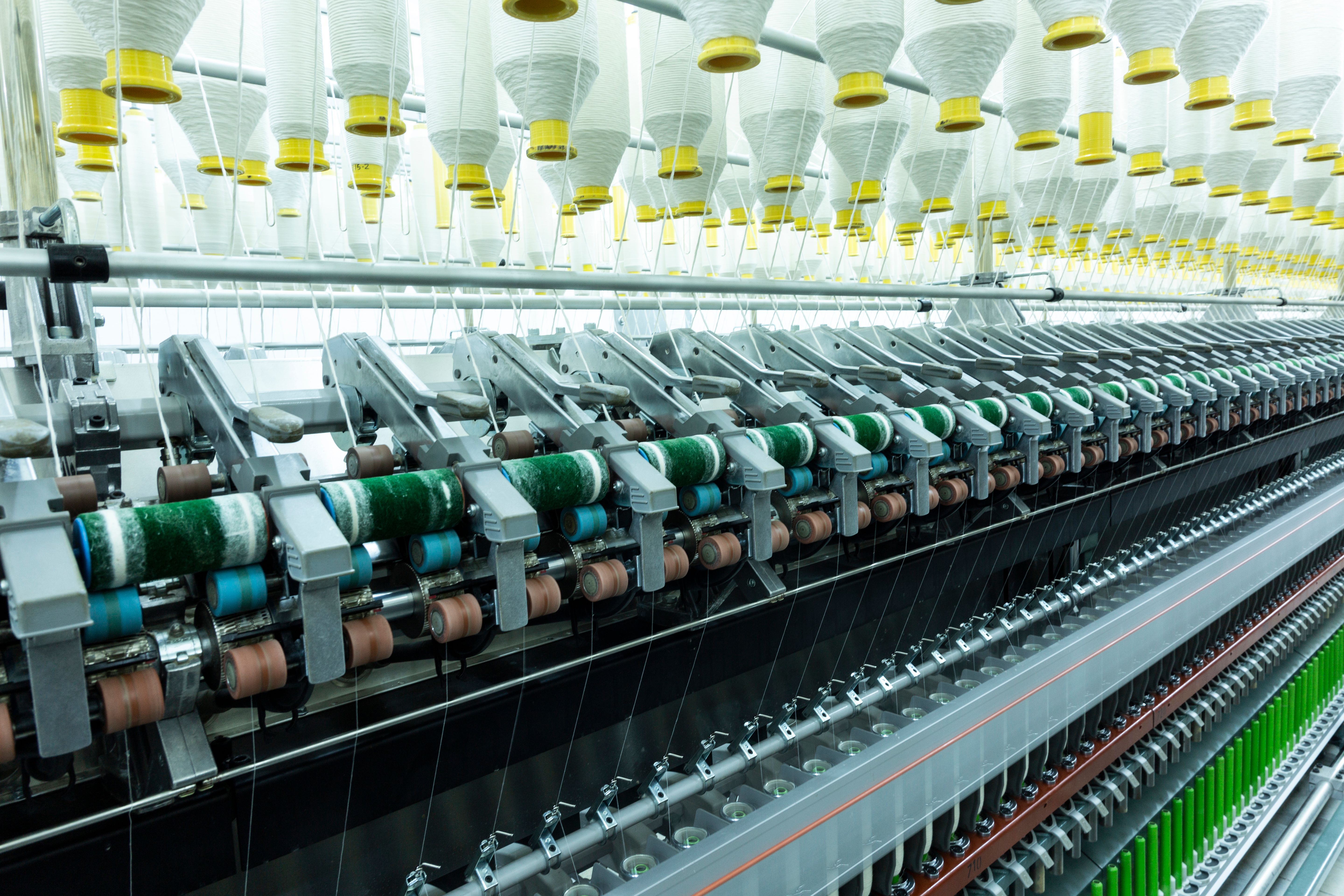
The spindle motor is a crucial component in ring spinning machines. It drives the spindles that twist and wind the fibers into yarn. Traditionally, these motors have been a significant energy drain. However, recent advancements in technology have led to the development of high-speed spindle motors that promise to enhance energy efficiency dramatically.
High-speed spindle motors operate at higher rotations per minute (RPM), allowing for quicker and more efficient yarn production. By reducing the time needed for spinning, these motors help in cutting down energy consumption significantly. This advancement not only benefits the environment but also reduces operational costs for manufacturers.
How High-Speed Motors Enhance Efficiency
There are several ways in which high-speed spindle motors contribute to energy efficiency:
- Reduced Energy Consumption: By operating at higher speeds, these motors complete tasks faster, thereby consuming less energy overall.
- Lower Heat Generation: Efficient motors generate less heat, reducing the need for additional cooling systems.
- Improved Motor Design: Modern designs incorporate materials and technologies that minimize energy loss.
Advancements in Motor Technology
Recent advancements in motor technology have significantly boosted the performance of spindle motors. Innovations such as improved insulation materials, better cooling systems, and precision engineering have all contributed to higher efficiency levels. These innovations ensure that high-speed motors not only operate more efficiently but also have a longer lifespan, further enhancing their cost-effectiveness.
Environmental Impact and Sustainability
Reducing energy consumption in textile manufacturing has a positive impact on the environment. High-speed spindle motors contribute to this by lowering carbon emissions associated with power generation. This aligns with global sustainability goals and helps companies meet regulatory requirements for energy efficiency and environmental responsibility.

Economic Benefits for Manufacturers
Aside from environmental advantages, high-speed spindle motors offer substantial economic benefits. By cutting down on energy costs, manufacturers can improve their profit margins. Additionally, the enhanced durability of modern motors reduces maintenance and replacement expenses, further boosting financial savings.
In an industry where margins are often tight, these savings can provide a competitive edge, allowing companies to invest in other areas, such as research and development or workforce training.
Conclusion: A Step Towards a Greener Future
High-speed spindle motors represent a significant step forward for the textile industry, combining efficiency with sustainability. As technology continues to advance, these motors will likely become a standard in ring spinning, driving the industry towards a greener and more economically viable future.
Embracing these innovations not only benefits individual companies but also contributes to a larger global effort to reduce energy consumption and protect the environment. As more manufacturers adopt high-speed spindle motors, the industry will move closer to achieving its sustainability targets.